Choose your country
 Deutschland
 Ireland
 United Kingdom
 France
 España
 Italia
 Polska
 Portugal
 Sverige
 România
Published November 05, 2025
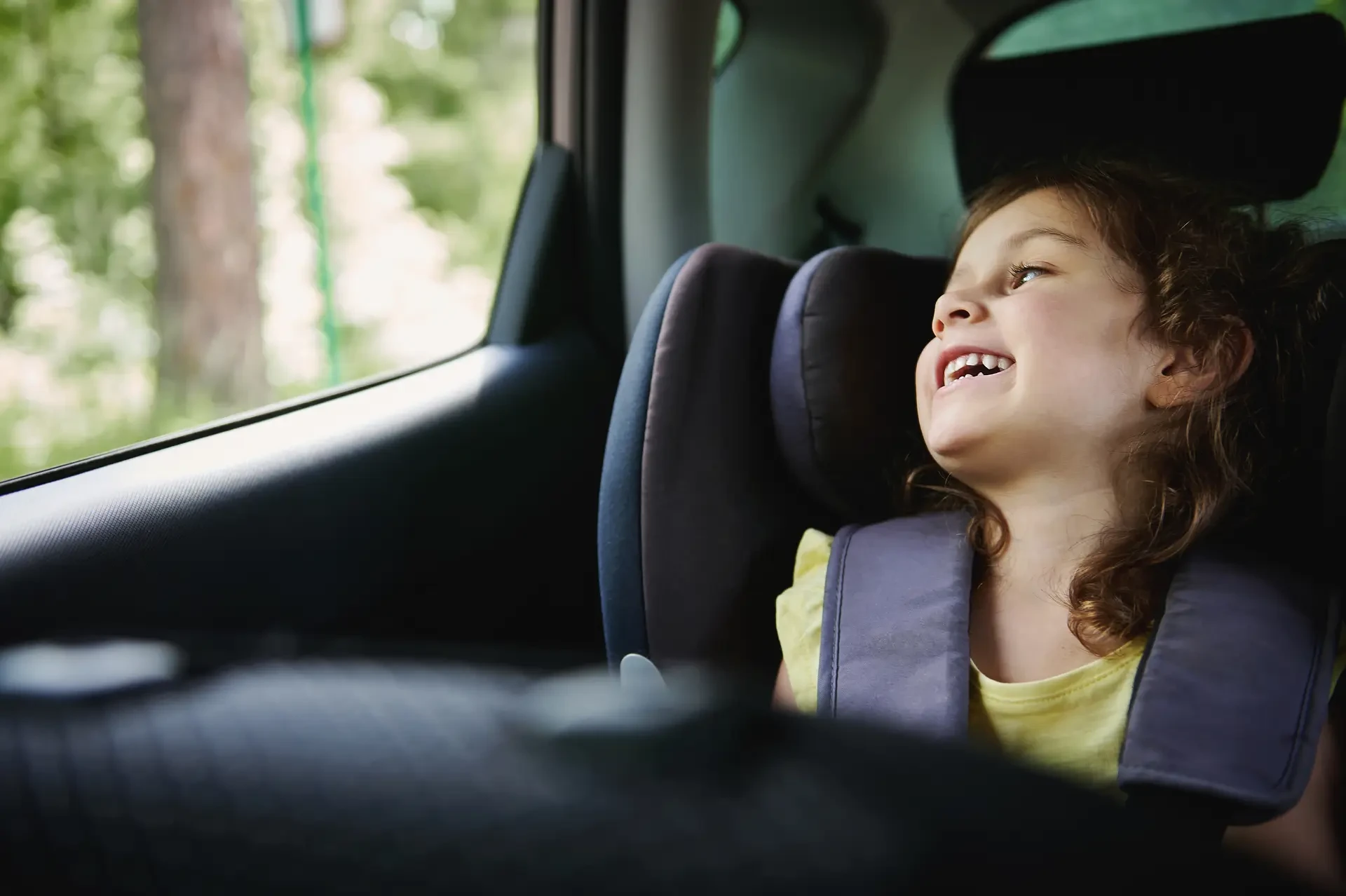
As a parent, your child’s safety is your number one priority. Nowhere is this more critical than when your family travels in a vehicle. Understanding UK rules and evolving technology is essential for responsible travel. This comprehensive guide will help you secure your child correctly. We ensure you follow UK law and provide the highest protection possible. Selecting the right child safety seat can feel daunting. You can travel with complete peace of mind by focusing on the proper fit and installation.
This article provides an in-depth breakdown of everything you need to know about the child safety seat. We cover mandatory legal requirements for infants and older children. We also detail the vital safety benefits of modern ISOFIX systems. We will explore the latest safety standards for you. We explain the UK’s approach to exemptions in taxis. Finally, we share our commitment to providing rigorously checked child restraints for every journey.
Navigating the car seat rules UK can feel confusing. The core principle is actually very simple to follow. All children must use the correct child restraint system. They must use it until they are 12 years old or 135 cm tall. This applies to nearly all private vehicles. The responsibility for compliance rests solely with the driver.
The UK law clearly outlines three main groups of children. They have their own specific restraint requirements:
An appropriate child restraint is mandatory for an infant or toddler. The only legal exception is for travel in a licensed taxi or private hire vehicle. If an appropriate baby seat is unavailable, the child may travel unrestrained. This is only permitted in the rear seats. This exception is for practicality, not safety. As experts, we strongly advise against this.
These children must use an appropriate child seat or booster seat. If an appropriate child restraint is not available in a licensed taxi, the child must use an adult seat belt. They must sit in the rear seats. This provision makes it vital to book a reliable service. We guarantee the correct type of seat is pre-installed. Children aged 3 and over can also use an adult belt for an unexpected journey. Safety, yet, should always override the legal exception.
Once a child reaches this height or age, they can legally use an adult seat belt. Many safety experts and a key consumer group recommend using a high-backed booster seat. This should be used until they reach 150 cm. This ensures the seat belt sits correctly across the pelvis and shoulder. This is a crucial point for older children aged 8 to 12 years.
Many parents are confused by the car seat laws about taxis. UK law provides the "taxi exemption" detailed above. It allows a child to travel without a proper restraint if one is not provided. This rule exists for convenience alone. It acknowledges that traditional cabs may not carry car seats. Passengers cannot be expected to carry one for an impromptu ride.
But convenience and safety are not the same thing. Professional private hire companies like ours do not rely on this loophole. We guarantee properly fitted child car seats. These seats are rigorously maintained. We offer everything from a newborn to an infant car seat up to a high-backed booster seat. We ensure the highest safety standards for your family. If you are planning Manchester Airport Trips or need an Airport to Airport transfers service, never rely on the exceptions. Always pre-book a vehicle with a fitted child safety seat.
When purchasing a child safety seat, you will see two main certification labels. They are ECE R44 and ECE R129. Understanding these safety standards is fundamental. It helps you choose a truly safe restraint.
ECE R44/04 is the older regulation. It classifies seats based on the child's weight. This standard mandates front and rear impact testing. R44 is being phased out in the European market. It does not include mandatory side impact testing. It also allows a child to face forward from a low weight of 9kg. R44 seats are still legal to use. Yet, manufacturers are shifting to the superior R129 standard.
The ECE R129 regulation is commonly known as i-Size. It is the modern standard. It represents a significant step forward in child safety. The key advantages include:
Height-Based Classification: Seats are classified by the child's height. This is a more accurate measure for ensuring the correct type of seat is used.
Mandatory Rear-Facing until 15 months: R129 requires that babies must travel in a rear facing car seat. They must be at least 15 months old. This provides crucial protection for the undeveloped head and neck.
Integrated Side-Impact Testing: This regulation makes side impact crash testing mandatory. This is a crucial inclusion. It addresses the high danger posed by T-bone collisions.
ISOFIX Compatibility: The i-Size specification is designed for ISOFIX anchorage points. This significantly reduces the risk of incorrect installation.
Choosing an R129-approved car seat is a wise decision. It selects the highest level of protection available today. For any new baby seat or child car seat sale, we recommend R129. This ensures the latest and most stringent safety standards are met.
The safest car seat is one that is installed correctly. Studies consistently show that improper installation of a seat belt is common. This compromises the effectiveness of the child restraints in a collision. This is where ISOFIX technology provides the most significant safety improvement.
ISOFIX is a global standard for fitting child safety seats. It secures them easily and quickly without the adult seat belt. The system uses two metal bars on the car seat. These connect to two anchor points built into the car’s chassis. These are typically found in the rear seats.
Reduced Risk of Incorrect Installation: The ISOFIX system is designed to be foolproof. Many ISOFIX bases feature visual or auditory 'click' indicators. This confirms the seat based system is securely locked. This takes the guesswork out of installation.
Superior Connection to the Vehicle: The connection is rigid and far more secure. The child seat is fixed directly to the car’s structural chassis. This drastically reduces the seat’s movement in a crash.
Enhanced Stability: ISOFIX systems often use a third anchor point. This prevents the child seat from pitching forward or rotating in an accident. This is critical for maintaining optimal protective geometry.
The safest way for any baby or small child to travel is in a rear facing car seat. This is why the i-Size regulation mandates backwards facing travel. The least need is for a child up to 15 months old and 75cm.
A young child’s head is very large compared to their body. Their spine is still developing and weak. In a frontal collision, a child in a forward-facing seat is thrown violently forward. This puts enormous stress on the neck and spine. A rear facing car seat supports the child's entire body. It cocoons the head, neck, and spine. The impact force is spread across the entire back of the child restraints.
We recommend keeping your child rear facing for as long as possible. Ideally, this means up to four years old. This follows the best practice advice of international safety standards. This is especially important for a rear facing infant car seat.
As a professional private hire company, we believe the legal minimum is not enough. When you entrust your family's travel to us, you deserve a safety guarantee. This guarantee must exceed the UK's legal exceptions.
We invest in high-quality, ISOFIX-compatible child car seats. They meet the latest R129 safety standards. We cater to all sizes, from seat infant carriers to high-backed boosters. When you book with Manchester Airport Trips, you specify your child's age and weight. Our professional team selects and installs the appropriate child seat beforehand. This eliminates the risk of human error in installation.
For families requiring many vehicles, we are fully committed. Perhaps you need town taxi services for a local event. Maybe you need a dedicated service with pet friendly taxis. Our commitment to providing pre-fitted, correct restraints remains absolute. We ensure every single child safety seat is thoroughly checked. This gives you a consistent and reliable safety experience.
We cater to all needs. We handle newborn to infant car seat requirements. We also offer a high-backed travel booster seat for an older child. Our fleet handles comprehensive solutions. This includes the popular 360 car seat up to 12 years style. It offers exceptional rotational convenience for parents.
We manage the logistics, whether you need a full harness seat or a booster seat, a UK-compliant restraint. This attention to detail transforms stressful journeys. We make coordinating Airport to Airport transfers a smooth process. When your child’s safety is on the line, there is no compromise. You need a professional service. The correct, securely fitted child safety seat must be a guarantee, not an afterthought.
Parenthood is a journey of constant caution. Travel should be no different for your family. The UK's car seat rules provide a safety foundation. True protection comes from understanding technology and legal responsibility.
Mandatory Use: All children must use a child restraint until 12 years old or 135 cm tall.
The Law vs. Safety: The taxi exemption is a legal loophole. It is not a safe travel option.
Standard Preference: Choose an ECE R129 seat over a phased-out ECE R44 seat.
Rearward Facing: Keep your child rear facing until at least 15 months old for optimal spinal protection.
ISOFIX is Superior: The rigid attachment and reduced misuse risk of ISOFIX make it the safest installation method.
For your next family trip, make the informed choice. Demand a company that commits to professionally pre-fitting the correct child safety seat every time. Your child’s well-being and your peace of mind depend on it.
Yes, in personal cars, a baby seat or any suitable child restraint for children under three years is necessary. The sole exception is in the back of a qualified minicab or taxi when there is no suitable seat available. This is a loophole in the law and must be avoided.
Reversing-facing car seats are safer since a small child has a heavy head. Their spine is not fully developed. During a frontal crash, the back-facing car seat spreads the crash forces over the whole back of the child. This helps shield their delicate neck from whiplash injury.
London's licensed cabs fall under the national exemption. You do not have to use a car seat legally if there isn't one. However, safety comes first. On advance-booked work such as ours, the proper child safety seat is always available on request.
The primary UK law is that every child should occupy a proper child seat or booster cushion until they are 12 years of age or 135 cm tall. For babies, the new i-Size regulation requires sitting rear-facing until 15 months old. It's to adhere to the highest safety standards.
Yes, all young people traveling by car must wear child car seats. They must be utilized until they are 12 or 135 cm tall. There are exceptions, though these are extremely rare, circumstances-dependent ones, for example, in hire cars which are licensed. But these can only be used as an absolute last resort.