Choose your country
 Deutschland
 Ireland
 United Kingdom
 France
 España
 Italia
 Polska
 Portugal
 Sverige
 România
Published December 19, 2025
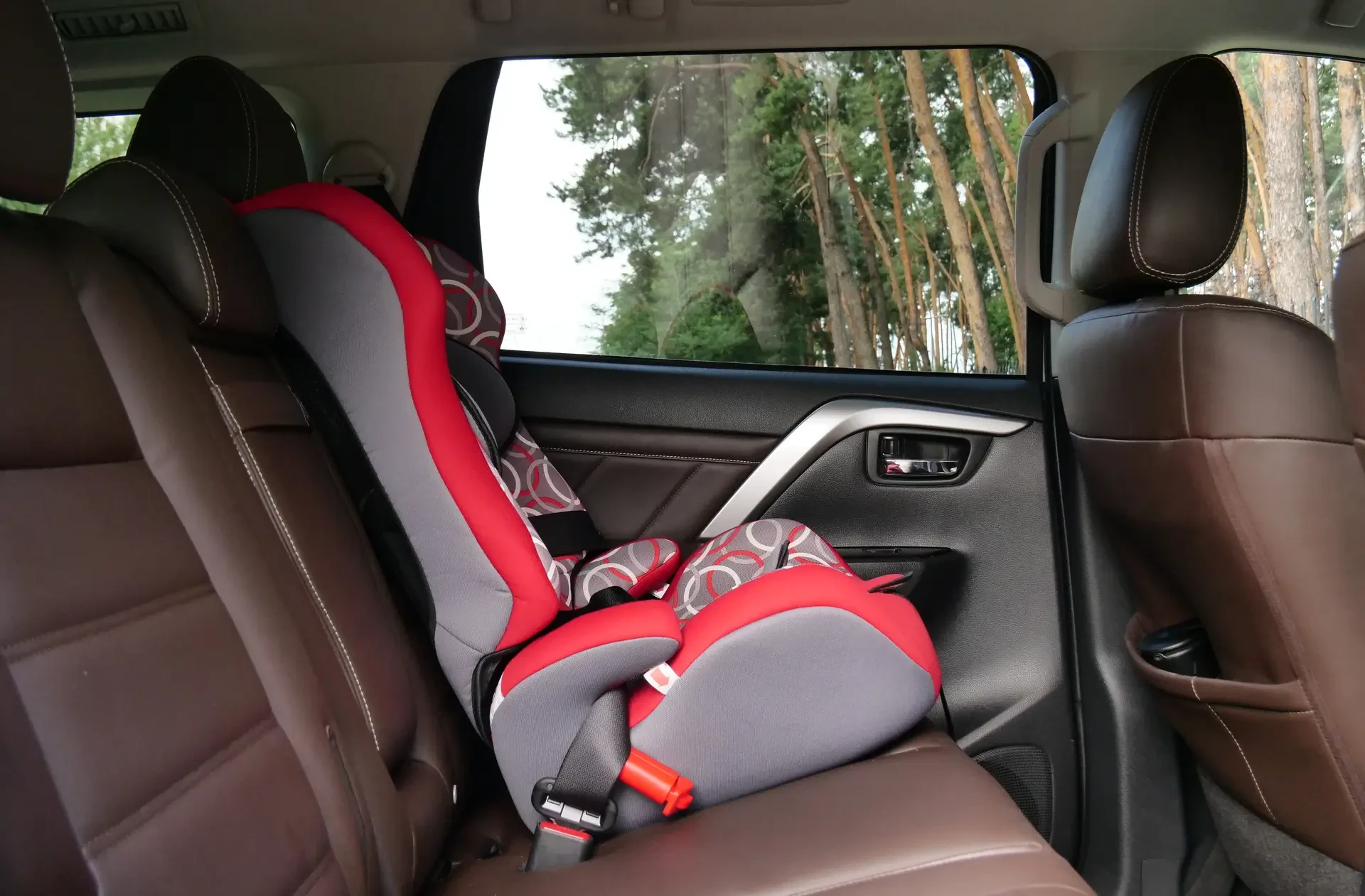
The move from a full child car seat to a simpler child booster seat is a big step. It shows your little one is growing up fast. Your child no longer relies on dedicated child transportation restraints. But confusion exists about safety and legality. When exactly is your 5yr old booster seat or older children's booster seat required? The main job of a child booster seat is simple but vital: it elevates the child. This makes sure the adult seat belt sits correctly across their strongest bones. It hits the shoulder and the bony pelvis (hip bones). This avoids delicate areas like the neck and the abdomen. This complete guide covers the essential UK law. We examine crucial safety differences and offer expert buying advice. We will decide the high-back versus cushion debate. We will clearly explain the R44 versus R129 standards.
Maintaining the highest standards of car safety is critical. You must understand the legal rules for using a child booster seat. Following the law helps avoid fines. More importantly, it ensures child safety on every trip.
The UK legal requirement is crystal clear for parents. A child must use a child car seat or booster seat until 12 years old. Alternatively, they must use it until they are 135cm tall. Whichever milestone happens first is the legal benchmark. Only after surpassing both can they travel legally. They then use an adult seat belt in the rear seat or front seat. Children with medical conditions have different rules. They may use a disabled person's seat belt. They might use a custom-designed child car seat. A specialized service can help with these needs. For example, pre-booking a wheelchair taxi ensures proper compliance.
You will see two labels when shopping for a car booster seat. These labels show the approved safety standard.
ECE R44 (Weight-Based): Older booster seat models use this standard. They are grouped by the child's weight capacity. Boosters mostly fall into the Group 2 car seat (15–25kg). They also include a Group 3 car seat (22–36kg).
R129 (Height-Based/i-Size): This is the current, tougher standard. R129 booster seat models are grouped by the child’s height. This makes it simpler for parents to choose a seat. These seats also require advanced side impact protection testing.
A major law change in 2017 affected the backless booster chair for car seats. Manufacturers can now only sell backless booster cushions. These must be approved for Group 3 car seat use. This means the cushion is only suitable for larger children. They must weigh over 22kg or be taller than 125cm.
Crucial Clarification: Do you own an older backless booster seat? If it was approved under Group 2 car seat rules, it is still legal to use. However, experts strongly advise against using a backless booster seat. This is especially true for smaller, younger children under 125cm. It lacks torso and head support in a crash.
It is a serious offense not to use an approved child car seat. The driver must ensure all children under 14 are correctly secured. The penalty for not following the rule can be a fine of up to £500. Understanding the child safety seat law is vital. These rules are designed to save lives, not just to collect fines.
When a child moves from a harnessed car seat to a booster seat, parents have two main choices. They must choose between the high-back and the backless cushion.
The high back booster seat is the expert's top choice. This is especially true for younger children. They have just reached the minimum weight or height limit.
Superior Safety: The back provides vital head and neck support. This is crucial for absorbing energy in a crash. It also offers comprehensive side impact protection. This greatly reduces the risk of injury in side collisions.
Correct Positioning: The built-in adjustable headrest and shoulder guides are excellent. They ensure optimal seat belt positioning. The shoulder strap is held perfectly across the collarbone.
When to Use: This is ideal for all children using a booster seat. Use it if they often sleep in the car. Look for an Isofix high back booster for easy anchoring. This ensures the seat is always secured, even when empty.
The backless booster seat simply gives a necessary lift. This positions the lap portion of the seat belt correctly.
Safety Risk: The major issue is the lack of head and torso protection. The child’s head is unprotected in a side collision.
When to Use: Use only for older, mature children. They should be close to the 135cm height limit. Use it only when absolutely necessary, like a spare for friends. Because of the lower weight capacity required, it is a Group 3 booster car seat.
Both high back booster seat and backless booster seat models offer two installation types. They come in belted and Isofix booster seat versions.
ISOFIX Benefit: The ISOFIX connectors lock the booster seat to the car’s chassis. This prevents the seat from shifting when the child is not in it. It stops the seat from becoming a projectile in a crash. The daily installation process is also much easier. The booster isofix technology anchors the seat, but the adult seat belt secures the child.
Choosing the right car booster seat group 2 3 goes beyond basic safety. It means checking for comfort padding, fit, and ease of use.
Improper Belt Routing: The lap portion of the seat belt must be low across the pelvis. It should not be on the soft stomach. Incorrect seat belt positioning can cause serious internal injury in a crash.
Mismatched Headrest: For a high back booster chair, the top of the child's ears must be below the adjustable headrest top. This gives maximum protection. Ensure the height adjustment mechanism is used correctly.
Twisted Seat Belts: Any twist or slack in the seat belt makes it less effective. Always ensure the belt is perfectly flat across the child's body.
Moving Too Soon: Do not use a booster seat before the child is mature enough. They must remain seated correctly for the entire trip.
Consider features that improve the experience when buying a toddler booster seat.
Adjustability: A Group 2 3 car seat that grows up to 150cm offers the best value. Look for easy height adjustment for the headrest.
Comfort: Features like comfort padding and breathable fabric make long trips easier.
Fit: If you have more than one child, a narrow booster seat might be needed. A slimline booster seat can help fit three across the rear seat.
Maintenance: A removable cover is necessary for easy cleaning.
A high-quality high back booster seat can be used for many years. When traveling locally, you might need a simple town taxi for short trips. Check that they carry proper restraints. For major UK travel hubs, pre-booked Manchester Airport Trips often offer a Child Seat Taxi option. This guarantees a safe continuation of your journey.
The Warning: Never buy a second-hand seat. You cannot verify if it has been in a crash. Unseen damage can compromise child safety.
The law requires a seat until 12 years old or 135cm. Sometimes a child outgrows the booster seat earlier. Even over 135cm, the adult seat belt must fit correctly. This is where the simple Five-Step Test is crucial.
Your child must pass these five checks to sit safely without a booster seat:
Can the child sit all the way back against the vehicle seat?
Do the child's knees bend naturally at the seat's edge?
Is the lap belt resting low across the pelvis? It must not rest on the soft stomach.
Is the shoulder belt across the shoulder and collarbone? It must not cross the neck or face.
Can the child remain seated correctly for the entire trip without slouching?
If the answer to any of these is no, they still need their child's booster seat. This is true even if they are over 135cm.
For families planning complex international trips, Manchester Airport Trips’ Airport-to-Airport transfers must be considered. Transporting a child booster seat internationally requires careful planning. Research services that easily accommodate multiple pieces of luggage.
Choosing the right child booster seat is a vital part of responsible parenting. Focus on the high back booster seat option for the best protection. This is especially true for children moving from a harnessed seat. Always follow the law requiring a seat until 12 years old or 135cm. Prioritizing features like side impact protection ensures a safe journey.
A child can transition to a booster seat after meeting the minimum weight or height rules. This is generally when they are over 15kg (Group 2). They must also be able to sit upright without help. Most manufacturers recommend that children be at least 4 years old. They must be mature enough to stay seated correctly. This usually means seats like car booster seats for 5 year olds are common.
No, children under 125cm or 22kg cannot legally use a newly made backless booster seat. Safety experts advise against it, regardless of the law. A Booster seat for 4 year must be a high-back booster seat. This provides vital head and side impact protection. It also ensures correct seat belt positioning.
The point of a child booster seat is to greatly improve car safety. It raises the child so the vehicle's seat belt fits properly. The booster seat positions the lap belt low over the hips. It puts the shoulder belt across the collarbone. This prevents the belt from resting on the soft abdomen.
Yes, a high back booster seat is strongly recommended for continued child safety. This is true even if a 7 year old meets the minimum size for a backless cushion. The high back booster chair offers crucial head support for sleeping. It provides superior side impact protection.